Yesterday's list was tough because I experienced, am experiencing, or trying to get over too many on that list. Now that I thought about it over night, the reality is I already knew I was a sexual abuse survivor. I already knew that many of my more severe reactions to people or living are tied directly to sexual abuse. I am a survivor and feeling some days like it is a life sentence. Then, I remind myself that healing is possible. Scars do not mean the end of the world...in fact just the opposite. If you survive, there are scars. If you don't survive, doesn't matter, you're dead. Surviving is good, healing is better, and thriving is the best.
Yesterday's title got me thinking about lists. I actually really do hate lists. The thought of making a list can send me running away to play computer games. I know the value of lists. We used to live out in the country. Going to the store was 45 minutes one way. I went once every 2 weeks. The small town had a little grocery store but it cost so much more than driving to the 'city' and usually didn't have what I needed. I saved my receipts for 3 months, recorded every purchase then made the list in the same order as I went through the store. By circling what I needed I could quickly map out my shopping trip. I rarely forgot anything. Unfortunately, I was raised on lists. I had lists of my lists to make sure I did everything in a day as expected in the order demanded. I had my chores lists. I had lists of how to do the chores. I had lists of every minute of some days. I had lists that I could get additional chores. If it looked like I could finish, more items were added. The thing was that my mother loves lists. Therefore, everyone else must love lists. I watch her now make lists that dictate everything she has to do in the day. Here is the problem, she makes the lists so long no one could possibly finish them. I call them the never ending lists. I married and swore never to use a list again. You know, sometimes, a list is really helpful to make sure you haven't missed something. I learned to make spread sheets. Yup, spreadsheets are lists that can be searched, managed, and became indispensable when I worked in the computer labs. Twenty computers needing the same thirty things done to them, I kept track with spreadsheets. I decided I can't make peace with a list but I am willing to let go of my prejudices and incorporate spreadsheets into my life so that I can successfully accomplish the things I want done. I do not need to be a slave to them. After all, they can't be all bad if you know how to hit delete when they are getting too long.
Friday, June 8, 2012


Thursday, June 7, 2012
I hate some lists
I read a thoughtful comment on Tesseract decided to follow over to their blog this is what I found (gave me a lot to think about.)
Some readers may find reading this list disturbing or triggering. I read half of it ... shut down and played games ... then read the rest. Proceed with caution.
http://onebraveduck.blogspot.com/2012/06/fantasies-and-checklist.html
Some readers may find reading this list disturbing or triggering. I read half of it ... shut down and played games ... then read the rest. Proceed with caution.
http://onebraveduck.blogspot.com/2012/06/fantasies-and-checklist.html
In other news, I found this great checklist on the aftereffects of sexual abuse on the web, by Sue Blume. http://www.bearingthroughit.org/ChecklistJuly2004.pdf
-
Fear of being alone in the dark, of sleeping alone; nightmares (especially of rape, pursuit, threat, entrapment, blood); night
terrors
-
Swallowing and gagging sensitivity; repugnance to water on face when bathing or swimming (suffocation feelings)
-
Poor or distorted body image; alienation from, not at home in, failure to heed signals or take care of body; manipulating
body size to avoid sexual attention; compulsive cleanliness, incl. bathing in scalding water; or, total inattention to personal
appearance or hygiene
-
Somatization, stress-related diseases: gastrointestinal problems, GYN disorders (including spontaneous vaginal infections);
headaches; arthritis/joint pain; fibromyalgia. Also internal scarring. Aversion to doctors (esp. gynecologists, dentists)
-
Wearing a lot of clothing, even in summer; baggy clothes; failure to remove clothing even when appropriate to do so (while
swimming, bathing, sleeping); extreme requirement for privacy when using bathroom
-
Addictions, eating disorders, drug/alcohol overuse/abuse/or total abstinence; compulsive behaviors (including busyness)
-
Self-injury (cutting, burning, etc.) (physical pain is manageable) (this is an addictive pattern); self-destructiveness
-
Phobias, panic, anxiety
-
Need to be invisible, perfect, or perfectly bad
-
Suicidal thoughts, attempts, obsession (including passive suicide)
-
Depression (sometimes paralyzing); seemingly baseless crying; sadness
-
Anger issues: inability to recognize, own or express anger; rage; fear of rage (actual or imagined); constant anger;
misdirected anger, intense hostility toward entire gender or ethnic group (race) of the perpetrator
-
PTSD
symptoms, including shock or shutdown in crisis (stressful situation
always = crisis); psychic numbing. Hysterical symptoms: physical pain,
paralysis, numbness associated with particular memory, emotion (e.g.
anger) or situation (e.g.
sex). See also flashbacks in item 26.
-
Rigid control of thought process; humorlessness or extreme solemnity
- Childhood hiding, hanging on, cowering in corners (security-seeking behaviors); adult nervousness over being watched or surprised; feeling watched; startle response; hyper vigilance
- Inability to trust (trust is not safe); absolute trust that turns to rage when disappointed; trusting indiscriminately
- High risk taking (daring the fates); inability to take risks
-
Control, power, territoriality issues; fear of losing control; obsessive/compulsive behaviors (attempts to control things that
don't matter, just to control something!); power/sex confusion (see also #27)
-
Guilt/ shame/ low self-esteem/ feeling worthless/ high appreciation of small favors by others
-
Pattern of being a victim (victimizing oneself after being victimized by others), especially sexually; no sense of own power
or right to set limits or say no; pattern of relationships with much older or more powerful persons (onset in adolescence);
OR exaggerated sense of entitlement; revictimization by others (adult sexual violence, including sexual exploitation by
bosses and ìhelpingî professionals
-
Must produce to be loved; instinctively knowing, doing what the others need or want; relationships = big tradeoffs
-
Disturbances in attachment; abandonment issues; desire for relationships with no separateness; avoidance/fear of intimacy
-
Dissociation: blocking out some period of early years (esp. 1ñ12), specific person, place, event; creating fantasy worlds,
identities (incl. women imagining self to be male, = not a victim); Dissociative Identity Disorder (DID) (was MPD)
-
Feeling of carrying an awful secret; urge to tell/ fear of its being revealed; certainty that no-one would listen. Being
generally secretive. Feeling ìmarkedî (the ìscarlet letterî)
-
Feeling crazy; feeling different; feeling oneself to be unreal and everyone else to be real, or vice versa; cognitive problems
-
Denial (no awareness); repression of memories;
pretending; minimizing (it wasn't that badî); strong, deep,
inappropriate negative reactions to a person, place or event;
flashbacks, which may occur as dreams, or sensory flashes (a brief image
or
feeling) with no meaning; or memories of surrounding details but not
event or identity of abuser. Memory often begins with
least threatening event or abuser. Details of experience may never be
fully or accurately known, but much recovery is
possible without full recall. Your inner guide will release memories at
the pace you can handle (see also #13, #23)
-
Sexual issues: sex feels dirty; aversion to being touched; strong aversion to (or need for) particular sex acts; feeling
betrayed by one's body; trouble integrating sexuality and emotionality; confusion or overlapping of affection/ sex/
dominance/ aggression/ violence; having to pursue power in sexual
arena which is actually sexual acting out (self-abuse,
manipulation [esp. women]; abuse of others [esp. men]); compulsively
seductive, or compulsively asexual; must be sexual
aggressor, or cannot be; impersonal, promiscuous sex with strangers
concurrent with inability to have sex in intimate
relationship (conflict between sex and caring); prostitute, stripper,
sex symbol (Marilyn Monroe), porn actress; sexual acting out to meet
anger or revenge needs; sexual addiction; avoidance; shutdown; crying after orgasm; pursuit feels like
violation; sexualizing of all meaningful relationships; erotic response to abuse or anger, sexual fantasies of dominance/ real
rape (results in guilt and confusion); teenage pregnancy. Note: Homosexuality is not an aftereffect!
-
Pattern of
ambivalent or intensely conflictual relationships (abuse is familiar;
also, in true intimacy, issues are more likely to
surface; in problem relationships, focus can be shifted from real issue
of incest). Note: Partner of survivor often suffers
consequences of Post-Incest Syndrome also (especially sex and
relationship issues)
-
Avoidance of mirrors (connected with invisibility, shame/self-esteem issues; distorted perceptions of face or body, DID)
-
Desire to change one's name (to dis-associate from the perpetrator or take control through self-labeling)
-
Limited tolerance for happiness; active withdrawal from/ reluctance to trust happiness (ice = thin)
-
Aversion to noise-making (including during sex, crying, laughing, or other body functions); verbal hypervigilance (careful
monitoring of one's words); quiet-voiced, especially when needing to be heard
-
Stealing (adults); fire-starting (children)
-
Food sensitivities/avoidance based on texture (mayonnaise) or appearance (hot dogs), which remind the survivor of abuse,
or smell/sound which remind survivor of perpetrator; aversion to meat, red foods
-
Compulsive honesty or compulsive dishonesty (lying)
-
Hypervigilance regarding child abuse, or inability to see child abuse, or avoidance of any awareness or mention of child
abuse; tendency to develop relationships with incest perpetrators
- Personality disorders, characteristics; Psychiatric illness (NOTE: Post-Incest Syndrome is often misdiagnosed as these)
Wednesday, June 6, 2012
Learning from others
 |
| ||
One of the things I learned from my mother, if you have a problem, someone else had the same problem and wrote a book about it. Now the updated version would add that they blogged about it. I started this blog with the idea that someone else was facing some of the same challenges I was and I discovered an amazing community of people sharing and caring on the internet. I have read self improvement books since high school. Then it was books on how to decorate a teenagers room. I also read "The Little Prince," "Belview, a State of Mind," and "I never Promised you a Rose Garden." After I married, I read books on how to be a better partner in my marriage. I still remember reading some of the books and wondering if we lived on the same planet. I didn't know then that my internal complications interfered in trying to improve my life. When I started counseling, I was a long time veteran using books to help me solve problems. I learned to pray as I researched some problems which would sometimes lead me down avenues that I would not normally tried and found answers that made a difference in my life. I learned that the Holy Spirit will bare testimony to the truth of ALL things. When I was given my diagnosis of Post Traumatic Stress Disorder with Dissociation at a severe level, it had no meaning to me. The first time I saw it in writing I read it over 10 times trying to wrap my mind around what this meant to me. Who and what was I? I happened to be working at an university so I had access to the libraries that psychology students used for their research. Ten books later, plus the other books I read not from that library, I still wasn't too sure what I was all about but I learned no one else really knew either. Complications exist. No two multiple personalities are the same. None formed the same, functioned the same or integrated the same. There is no control group. There is no consistent pattern to follow. Nothing to pin down. By the very nature of multiple personalities it adapts and rearranges on the fly to help keep the inner core safe. Even the definition of the inner core is different. I described my experience of splitting similar to the tree at the park that had too many kids sitting in it a the same time while it was still young. The trunk split. On the front cover of my book is a picture of that tree. I devoted an entire art project to this tree and what it represents to me of how I came to be a multiple. The difference between me and the tree is that I could integrate, the tree healed in that position and stayed that way. An interesting side light. The tree was split by too many children in the tree. When it grew it became an awesome climbing tree for children. Being damaged hurt the tree but it didn't destroy the tree and it took on a new purpose and gifts to children that was different than it was born to be. I admire the tree for taking what life dealt it and made a difference any way.
 |
| Splitting is not the end. |
Tuesday, June 5, 2012
Earned a Chocolate bar
Last year when I flew to see my daughter in another state I ended up crying in security. I had nightmares and anxiety for days before flying today. I decided to pay attention to which line appeared to have no full body scanner and no matter how I did emotionally, I would earn a chocolate bar if I made it through security. I made it. (Please don't lecture to me about how using food for a reward is unhealthy relationship with food. I figure chocolate is for dementors* and airport security.) Looking forward to leaving the airport where my daughter lives, it has amazing chocolate shoppe right at the top of the stairs after security. Instead of sitting stressing out, I allowed myself to walk the corridors. In flight, I shot pictures from the air. Awesome picture of the Grand Canyon. I'll find out later how the pictures turned out. I am hear, fed and enjoyed playing with grandkids and watching a movie with my daughter. (We Bought a Zoo is a great movie that touched my heart.) PTSD haunts me but doesn't rule me.
*Dementors characters in the Harry Potter Series that guarded Azkaban http://harrypotter.wikia.com/wiki/Dementor
Monday, June 4, 2012
Creativity Unleashed

The secret of creativity is knowing how to hide your sources.

Human connection
After writing about the dark side of life I seem to go in search of things that are happy, uplifting and inspiring. I keep stories that I get in email of encounter in other places and I thought I would share a few of them.
The Cab Ride by Kent Nerburn
http://www.huffingtonpost.com/kent-nerburn/cab-ride_b_1474147.html
Sandpiper
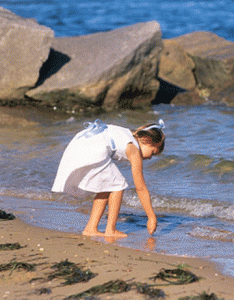 |
| Photographer unknown |
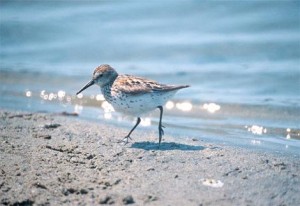 |
| Sandpiper - Photographer unknown |
“I see that. What is it?” I asked, not caring.
“Oh, I don’t know, I just like the feel of sand."
“That sounds good," I thought, and slipped off my shoes. A sandpiper glided by.
“That’s a joy,” the child said.
“It’s a what?”
“It’s a joy. My mama says sandpipers come to bring us joy.” The bird went gliding down the beach.
“Good-bye joy,” I muttered to myself, “hello pain,” and turned to walk on. I was depressed; my life seemed completely out of balance.
“What’s your name?” She wouldn’t give up.
“Ruth,” I answered. “I’m Ruth Peterson.”
“Mine’s Wendy… I’m six.”
“Hi, Wendy.”
She giggled. “You’re funny,” she said. In spite of my gloom I laughed too and walked on. Her musical giggle followed me.
“Come again, Mrs. P,” she called. “We’ll have another happy day.”
The days and weeks that followed belong to others: a group of unruly Boy Scouts, PTA meetings, and ailing mother. The sun was shining one morning as I took my hands out of the dishwater. “I need a sandpiper,” I said to myself, gathering up my coat. The ever-changing balm of the seashore awaited me.
The breeze was chilly, but I strode along, trying to recapture the serenity I needed. I had forgotten the child and was startled when she appeared.
“Hello, Mrs. P,” she said. “Do you want to play?”
“What did you have in mind?” I asked, with a twinge of annoyance.
“I don’t know, you say.”
“How about charades?” I asked sarcastically.
The tinkling laughter burst forth again. “I don’t know what that is.”
“Then let’s just walk.” Looking at her, I noticed the delicate fairness of her face
“Where do you live?” I asked.
“Over there.” She pointed toward a row of summer cottages. Strange, I thought, in winter.
“Where do you go to school?”
“I don’t go to school. Mommy says we’re on vacation.” She chattered little girl talk as we strolled up the beach, but my mind was on other things. When I left for home, Wendy said it had been a happy day.
Feeling surprisingly better, I smiled at her and agreed. Three weeks later, I rushed to my beach in a state of near panic. I was in no mood to even greet Wendy. I thought I saw her mother on the porch and felt like demanding she keep her child at home.
“Look, if you don’t mind,” I said crossly when Wendy caught up with me, “I’d rather be alone today.”
She seems unusually pale and out of breath.
“Why?” she asked.
I turned to her and shouted, “Because my mother died!” and thought, my God, why was I saying this to a little child?
“Oh,” she said quietly, “then this is a bad day.”
“Yes, and yesterday and the day before and-oh, go away!”
“Did it hurt? ”
“Did what hurt?” I was exasperated with her, with myself.
“When she died?”
“Of course it hurt!” I snapped, misunderstanding, wrapped up in myself. I strode off. A month or so after that, when I next went to the beach, she wasn’t there. Feeling guilty, ashamed and admitting to myself I missed her, I went up to the cottage after my walk and knocked at the door. A drawn looking young woman with honey-colored hair opened the door.
“Oh yes, Mrs. Peterson, please come in”
“Wendy talked of you so much. I’m afraid I allowed her to bother you. If she was a nuisance, please, accept my apologies.”
“Not at all-she’s a delightful child,” I said, suddenly realizing that I meant it. “Where is she?”
“Wendy died last week, Mrs. Peterson. She had leukemia. Maybe she didn’t tell you.” Struck dumb, I groped for a chair. My breath caught.
“She loved this beach; so when she asked to come, we couldn’t say no. She seemed so much better here and had a lot of what she called happy days. But the last few weeks, she declined rapidly…” her voice faltered.
“She left something for you…if only I can find it. Could you wait a moment while I look?”
I nodded stupidly, my mind racing for something, anything, to say to this lovely young woman. She handed me a smeared envelope, with MRS. P printed in bold, childish letters. Inside was a drawing in bright crayon hues-a yellow beach, a blue sea, and a brown bird. Underneath was carefully printed: A SANDPIPER TO BRING YOU JOY
Tears welled up in my eyes, and a heart that had almost forgotten to love opened wide. I took Wendy’s mother in my arms. “I’m so sorry, I’m sorry, I’m so sorry,” I muttered over and over, and we wept together.
The precious little picture is framed now and hangs in my study. Six words- one for each year of her life- that speak to me of harmony, courage, undemanding love. A gift from a child with sea-blue eyes and hair the color sand— who taught me the gift of love.
———————————–
http://www.truthorfiction.com/rumors/s/sandpiper.htm
This story is circulated on the Internet as having been written by either Robert Peterson or Ruth Peterson, the name of the woman in the story.
In reality, it was written by a woman named Mary Sherman Hilbert and a version of it was published in Reader's Digest in 1980.
Is it true?
The Reader's Digest article included an explanation from the author that a neighbor of hers had told her of "an experience" she had while walking on a beach in Washington state. Mary Sherman Hilbert says she took notes at the time then later recalled the conversation and decided to write about it.
What percentage of the story is real and what percentage is creative fiction is not clear, but at least we know where it came from and can attach the correct author's name to it.
Subscribe to:
Posts (Atom)